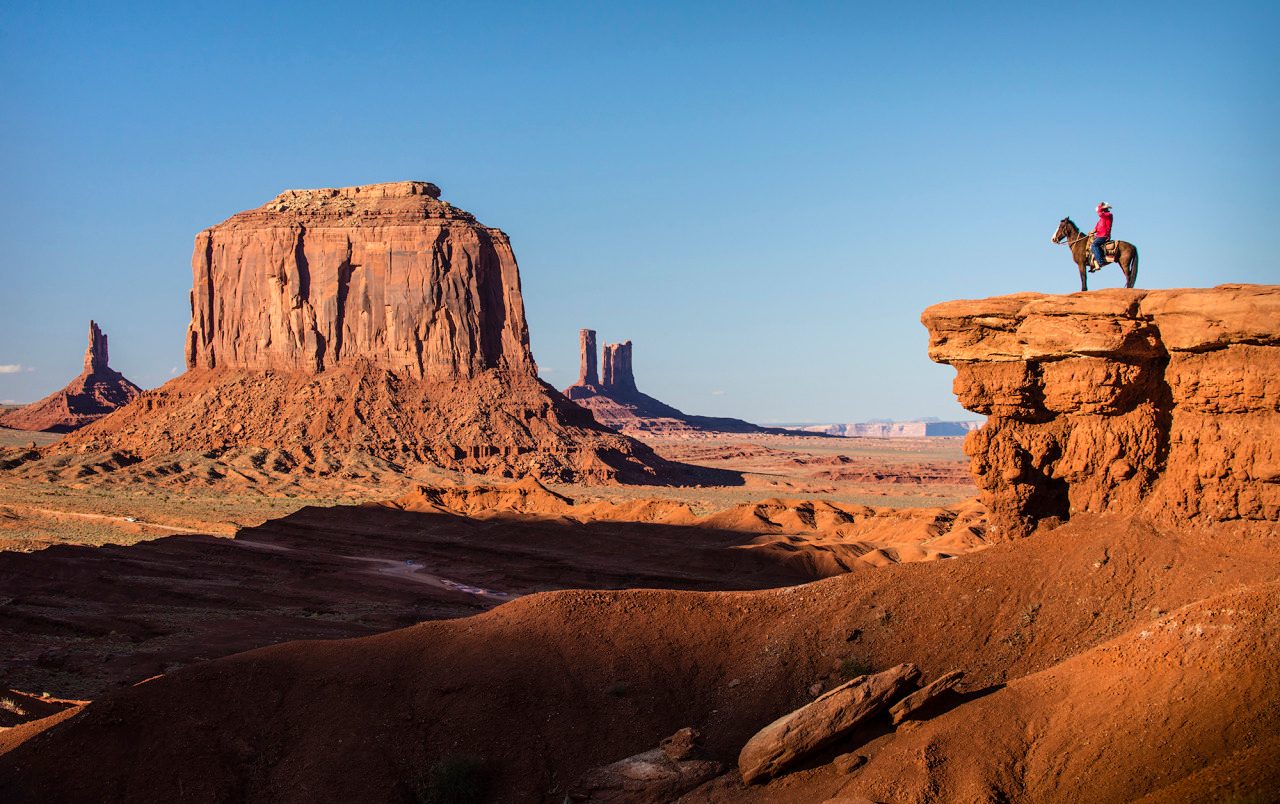
John Ford’s Point
Sunrise or sunset
Capture the sweeping vista where the horizon aligns with the iconic sandstone buttes. This location is accessible via guided tour vehicles.

Two buttes, one long shadow, and a decision most travellers make badly. A monument valley sunrise or sunset tour trades on the same sandstone but delivers different colour, different crowds and different access rules. This page sets out how the two sessions actually differ, so a single overnight stop does not go to waste.
Quick answer
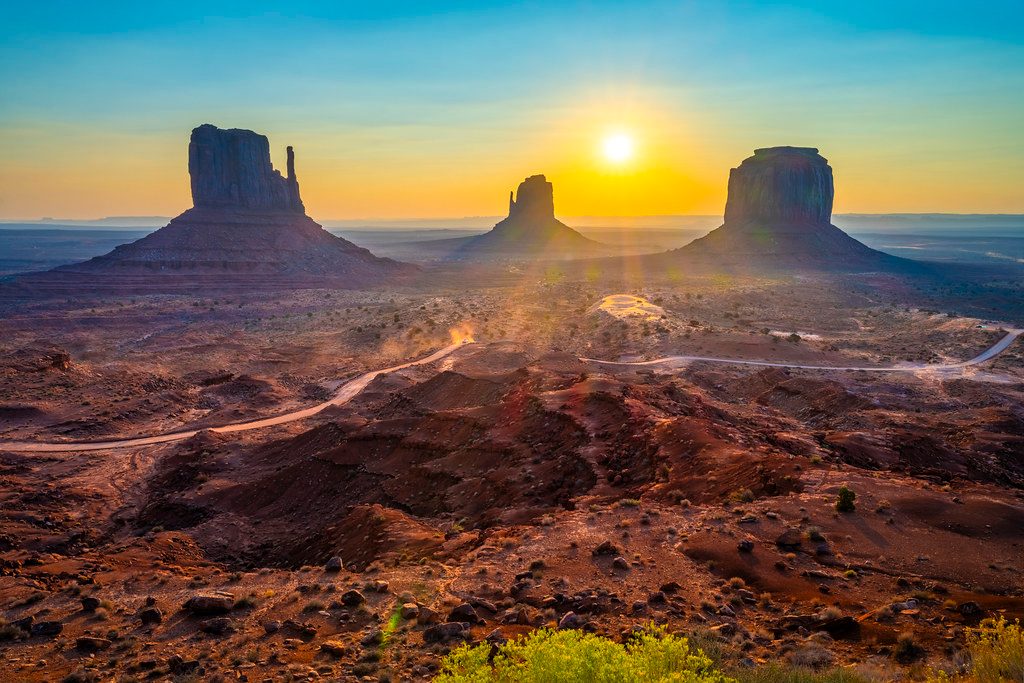
Sunrise generally wins for a monument valley sunrise or sunset guide, because the East and West Mitten and Merrick Butte face east and take first light directly. The park gate opens at 08:00 daily, so pre-dawn access requires a Navajo-guided tour departing from inside the tribal park. Sunset favours self-drivers with a late start.
The Mittens are not identical twins. East Mitten's "thumb" points north and West Mitten's points south, a mirrored quirk that only reads clearly when low sun rakes across the sandstone and separates each spire from its own shadow. That geometry is the whole argument behind a monument valley sunrise or sunset tour: the rock does not change, but the light that models it arrives from opposite sides of the sky. The practical divide comes down to access. The Navajo Tribal Park gate on U.S. Highway 163 operates on a single daily pattern, opening at 08:00, which places true dawn outside standard self-drive hours. Visitors who want first light on Merrick Butte and the Three Sisters therefore book a Navajo-guided sunrise departure, since authorised guides hold permits for the backcountry beyond the seventeen-mile Valley Drive loop and can be on the rim before the gate opens to general traffic. Evening works differently. A late-afternoon self-drive along the unpaved loop, or a guided run into Mystery Valley and the Hogan sites, ends with the buttes going copper against a western sky. No permit is needed for the loop itself, which makes a monument valley sunset tour the simpler booking for travellers arriving mid-afternoon from Page or Moab. Season shifts the maths. In August, sunrise lands early and sunset late, stretching the useful day but pushing midday surface temperatures well past comfort on exposed sandstone. Winter compresses both windows and can leave Valley Drive rutted or icy, which is when a guided vehicle earns its keep. The soft morning light that enhances iconic silhouettes and avoids midday heat is the reason the 08:00–10:00 arrival window is recommended for anyone not on a pre-dawn departure — it is the closest a self-driver gets to golden hour under the park's own hours. What to do with that answer depends on the length of the stay. One night at The View or Goulding's makes a Monument Valley guided tour at dawn the higher-value choice, with the loop driven afterwards in still-flattering light. Two nights allow both, and the comparison becomes academic. Day-trippers on the Highway 163 corridor between Kayenta and Mexican Hat, with no lodging inside Navajo Nation land, will find evening the only realistic option. Weather is the wildcard: monsoon cloud in late summer can flatten a sunrise or hand an evening session the most dramatic sky of the week.
“The rock does not change, but the light that models it arrives from opposite sides of the sky.”
Sunrise or sunset
Capture the sweeping vista where the horizon aligns with the iconic sandstone buttes. This location is accessible via guided tour vehicles.
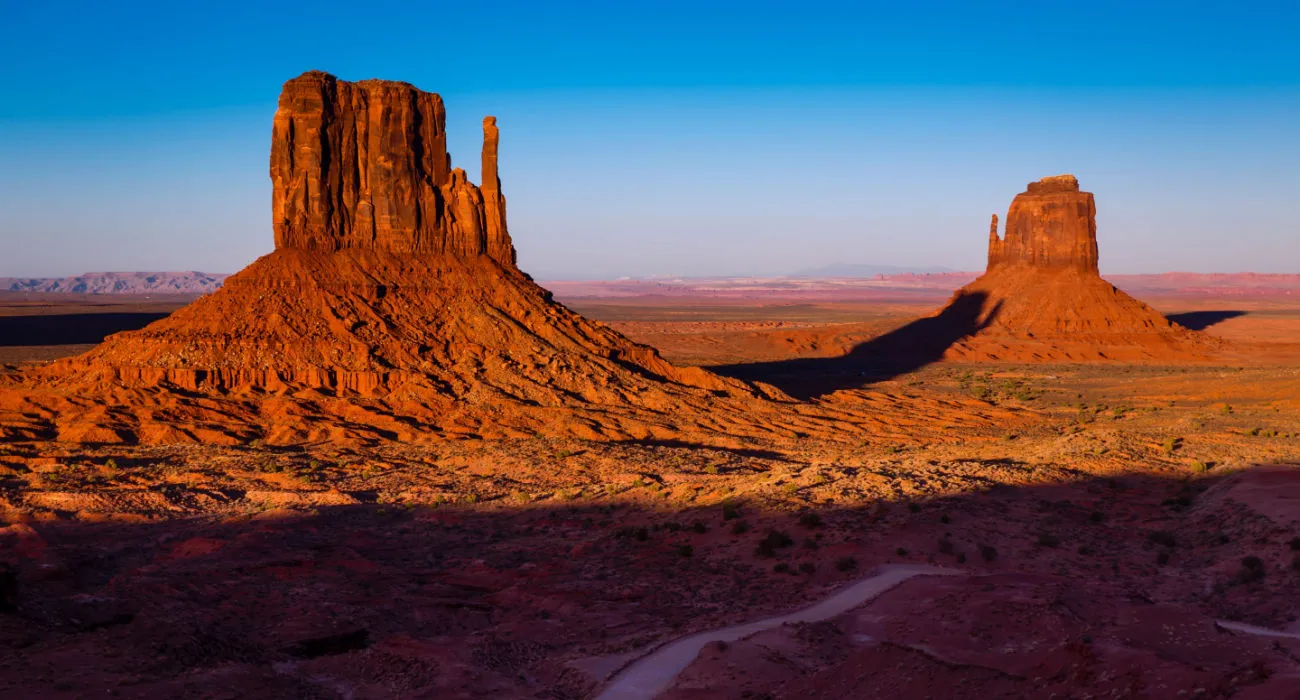
Sunrise or sunset
These central formations offer a classic silhouette against the changing colors of the sky. Best viewed from the valley floor during guided excursions.
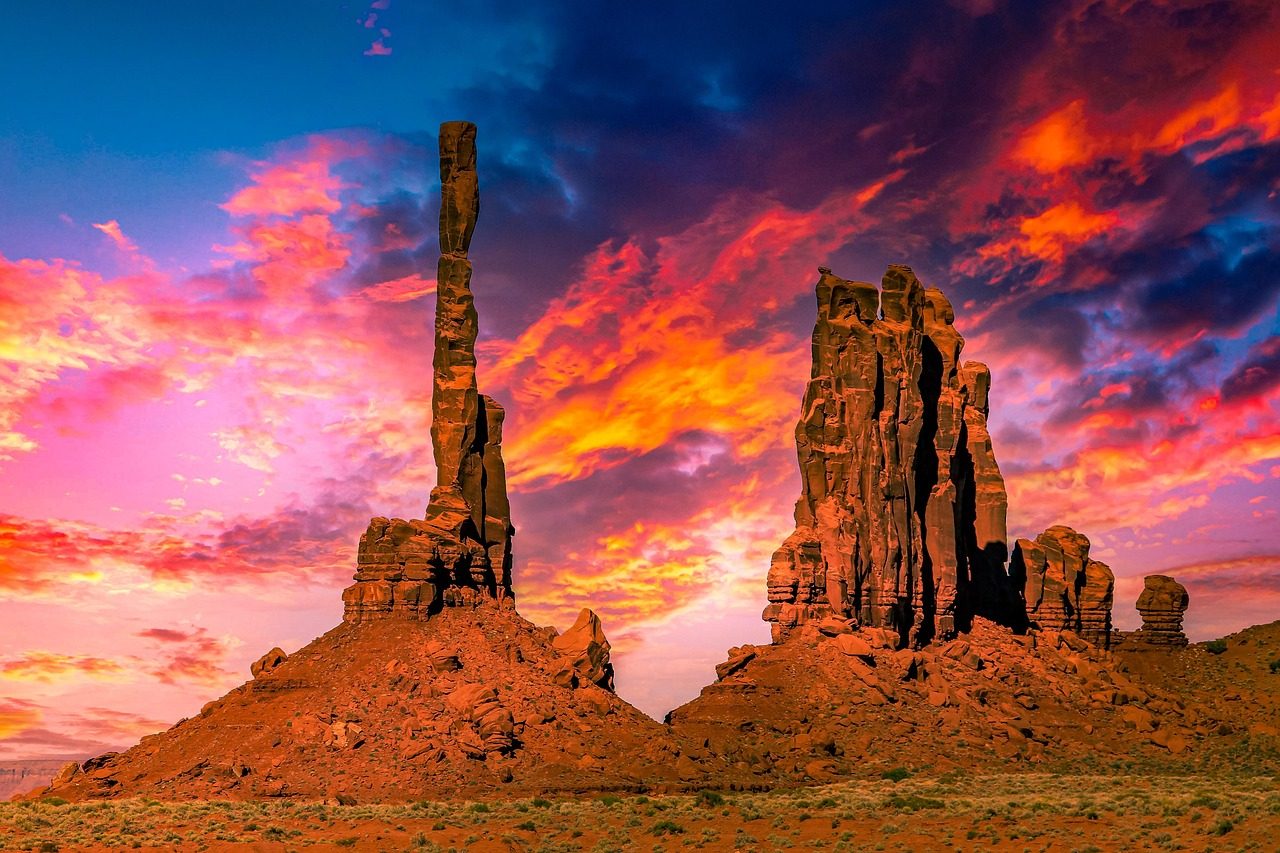
Sunset
Provides a wide-angle view of the valley's expanse, ideal for capturing the scale of the monoliths. Accessible only with a authorized Navajo guide.
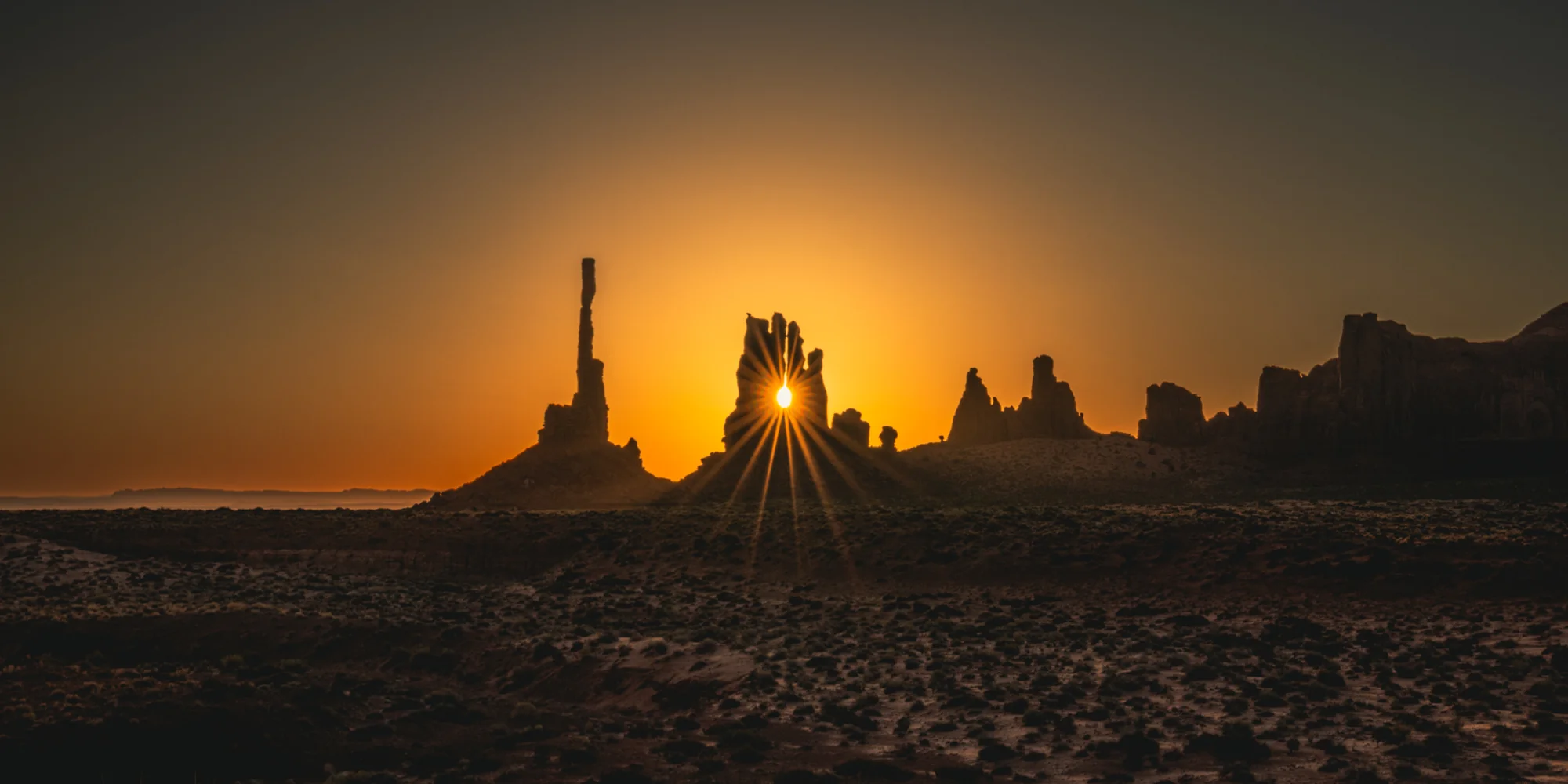
Sunrise
Focus on the slender, vertical sandstone spires that rise sharply from the desert floor. Guided tours allow close-up positioning for vertical compositions.
Monument Valley Navajo Tribal Park maintains consistent daily operating hours throughout the week to accommodate visitors planning sunrise or sunset tours.
Desert conditions at dawn and dusk swing sharply, so a few deliberate preparations weeks ahead and on the day will keep the tour comfortable.
Everything you need to know about monument valley sunrise or sunset tour
Choosing a monument valley sunrise or sunset tour allows visitors to witness the landscape under shifting natural light that highlights the unique sandstone buttes. These times provide cooler temperatures and longer shadows, which are favorable for observation and photography.
Midday visits often involve higher temperatures and harsh light, making a guided monument valley sunrise or sunset tour a preferred choice for comfort and visual clarity. Early morning and late afternoon offer the best opportunities to see the desert mesas in softer illumination.
You can arrange your visit through authorized Navajo guides who offer various excursion options. It is recommended to check availability online to secure your preferred slot for a monument valley sunrise or sunset tour.
Most operators welcome families, but guests should check specific requirements regarding mobility or small children before booking their tour. The terrain within the valley is rugged, so ensuring your tour provider can accommodate your party's needs is important.
Yes, the conservation fee is required for all visitors entering the tribal park. This fee is separate from any costs associated with a professional guide service.
Ensure you have sun protection, comfortable footwear, and plenty of water for your time in the valley. Preparing for desert weather changes will help you remain comfortable throughout your visit to this iconic American Southwest landmark.